Blog

Home

Blog

  • The Complete Water-based Epoxy Colored Sand Floor Paint Application Process: From Base to Inspection, Every Step Dedicated to "Details"
    The Complete Water-based Epoxy Colored Sand Floor Paint Application Process: From Base to Inspection, Every Step Dedicated to "Details"
    Mar 18, 2026
    "30% Materials, 70% Construction"—the ultimate effect of water-based epoxy colored sand floor paint depends not only on product quality but also on a standardized application process. Its water-based properties and colored sand particles, in particular, place high demands on the construction environment and handling techniques. Today, we'll take you directly to the construction site and break down the "birth process" of a high-quality water-based epoxy colored sand floor.   1. Pre-construction Preparation: Three Essential "Surface Inspections"   Flatness Test: Measure with a 2-meter ruler, with an error of ≤3mm. If the surface exceeds the standard, level it with cement mortar (5-10mm thickness) and allow it to dry for 7 days before applying.   Moisture Content Test: The surface moisture content must be ≤8% (this can be checked with a hygrometer). Damp surfaces (such as basements) require a water-based moisture-proof primer to be applied and allowed to sit for 24 hours. Cleanliness: Remove dust, oil, and old coatings from the floor. Oil stains can be removed with an alkaline cleaner (such as dishwashing liquid mixed with water). Stubborn stains should be removed with sandpaper.   2. Core Construction Steps: 6 Steps to a "Textured Floor"   Step 1: Apply Water-Based Primer (1 Day)   Use the matching water-based epoxy primer and apply one even coat to enhance adhesion and prevent delamination later. Note: The primer should be diluted 10%-15% with water (as per the product instructions) and allowed to dry thoroughly for 24 hours after application.   Step 2: Repair Substrate Defects (0.5-1 Day)   Mix "water-based epoxy putty" and fine sand to make a patching paste. Fill cracks (<2mm) and holes in the floor. Once dry, sand with 120-grit sandpaper to smooth the surface.   Step 3: Apply the Middle Sand Layer (1 day)   Mix the water-based epoxy sand base material and the curing agent in the correct ratio (usually 1:1). Stir thoroughly and apply with a toothed scraper (the number of teeth depends on the sand particle size) to a thickness of 1-2mm, ensuring even distribution of the sand.   Step 4: Finishing (1-2 hours after finishing)   When the middle sand layer is semi-dry (not sticky to the touch), use a stainless steel spatula to gently finish it, avoiding any damage to the sand particles and removing scraper marks.   Step 5: Apply a Water-Based Topcoat (1 day)   When the middle sand layer is completely dry (24-48 hours), apply one or two coats of water-based epoxy topcoat (matte or semi-matte finish available) to improve surface wear resistance and gloss, leaving 12 hours between coats. Step 6: Curing and Maintenance (7 Days)   After construction, seal the site to prevent foot traffic and heavy objects from rolling over it. Allow the surface to fully cure for 7 days before normal use (avoid water washing for the first 3 days).   3. Acceptance Criteria: Four Tips for Determining Construction Compliance   Appearance: The colored sand particles are evenly distributed, with no noticeable color difference, bubbles, or sagging. The edges (corners, door frames) are straight and neat.   Texture: Touching the surface reveals distinct, non-irritating particles, and a smooth surface with no bumps (≤0.5mm tolerance allowed).   Performance: Scratch the surface with a key, no noticeable scratches. Sprinkle a small amount of water and let it sit for 24 hours, and no wrinkles or discoloration.   Environmental: After curing, a close-up sniff reveals no odor (including resin), meeting the basic "install and move-in ready" requirements.
    Read More
  • Water-based Epoxy Colored Sand Floor Paint Buying Guide: 4 Dimensions to Avoid 90% of Pitfalls
    Water-based Epoxy Colored Sand Floor Paint Buying Guide: 4 Dimensions to Avoid 90% of Pitfalls
    Mar 25, 2026
    Thinking about installing water-based epoxy colored sand floor paint, but confused by terms like "sand particle size," "solids content," and "gloss"? Worried about buying a "fake waterborne" product (actually mixed with solvents) that might fail to meet environmental standards? This buying guide uses four key criteria: "Look, Smell, Check, and Ask" to help you choose a high-quality product with the best value.   1. Look for Ingredients: Look for "Pure water-based " and Avoid "Fake Environmentally Friendly" Products   High-quality water-based  epoxy colored sand must meet two key criteria:   Base Material Purity: The waterborne epoxy resin content must be ≥50%. Avoid products that are a mixture of "waterborne resin + solvent" (check the test report; if it contains ingredients like "xylene" or "toluene," reject it). Colored Sand Quality: Natural colored sand (such as quartz sand) with uniform particles and no impurities is preferred. Avoid artificially dyed sand (which fades easily). Take a sample and soak it in clean water for 24 hours. If the water changes color, it's low-quality sand.   2. Smell: The less odor, the better the environmental performance.   After opening the product barrel, high-quality water-based epoxy colored sand will have only a slight resinous smell (similar to paper) and no pungent odor. If a strong solvent odor (such as paint) is detected, it may contain organic solvents and may not meet environmental standards. This is easier to identify during application: Pure water-based products do not require strong ventilation during application, and the odor will completely dissipate within 24 hours.   3. Verify Qualifications: All three types of reports are essential.   Environmental Testing Report: This must include testing for VOC content, formaldehyde emissions, and heavy metals (lead and mercury). CMA certified reports (authoritative third-party testing) are preferred. Performance Test Report: Focus on "Abrasion Resistance" (≥500 revolutions with no noticeable wear), "Adhesion" (cross-cut test ≥1), and "Water Resistance" (no wrinkling or peeling after immersion for 72 hours).   Brand Qualification: Choose brands established for at least 5 years with physical stores. Avoid "three-no" products (no production date, no quality certificate, and no brand name).   4. Ask for Details: 3 Questions to Help You Identify Reliable Merchants   "Is the colored sand particle size optional?": High-quality merchants offer a variety of particle sizes, including 0.3mm (fine texture), 1mm (medium grain), and 2mm (coarse sand texture), and can be customized.   "Does the construction include base preparation?": A formal quote will include base preparation such as floor leveling and crack repair to avoid "extra costs" later.   "What is the warranty period?": High-quality products have a 5-8 year warranty (free repair for non-intentional damage). If the merchant only guarantees 1-2 years, be wary of the product quality.
    Read More
  • What is water-based epoxy colored sand floor paint? A 5-minute guide to understanding its "environmental and aesthetically pleasing" qualities.
    What is water-based epoxy colored sand floor paint? A 5-minute guide to understanding its "environmental and aesthetically pleasing" qualities.
    Apr 01, 2026
      When it comes to flooring, it's often difficult to balance environmental considerations with practicality. However, water-based epoxy colored sand floor paint breaks this deadlock. It combines the natural texture of colored sand with the low-toxicity of water-based paint, making it a new favorite in the recent renovation market. Today, let's take a 5-minute look at this flooring material that boasts aesthetic appeal, performance, and environmental friendliness.  1. Definition: More than just a "floor," it's a combination of environmental friendliness and aesthetic quality.  Water-based epoxy colored sand floor paint uses a water-based epoxy resin as a base, blended with natural colored sand (such as quartz sand or colored jade sand), and a water-based hardener. It creates a granular, textured floor coating by brushing or scraping. Compared to traditional solvent-based epoxy flooring, it requires no organic solvents for dissolution and has an extremely low VOC content. Compared to ordinary epoxy colored sand, it retains the anti-slip and wear-resistant properties of colored sand while being easier to apply and having less odor.  2. Core Features: Three Key Advantages Address Renovation Pain Points  Environmentally Friendly and Safe: VOC content is ≤100g/L (far below the national standard of 200g/L), resulting in no pungent odor during application and no release of formaldehyde or benzene after curing. It is suitable for sensitive areas such as children's rooms, elderly rooms, and schools.  Unique Texture: The colored sand particles are clearly visible (particle size optional, 0.1-2mm), creating a matte or semi-matte finish, eliminating the cold, mirror-like appearance of traditional flooring and providing a natural texture.  Durable and Durable: With a surface hardness of 2-3H, it is resistant to abrasion and impact. The colored sand is tightly bonded to the resin, resisting fading and delamination. It is particularly suitable for high-use areas such as kitchens, hallways, and garages.  3. Common Misconception: Don't Confuse It with "Ordinary Colored Sand Flooring"  Many people believe there's no difference between water-based epoxy and solvent-based epoxy. In fact, there are significant differences: water-based epoxy can be diluted directly with water during application, eliminating the need for a gas mask; solvent-based epoxy requires solvents like banana oil, which can have a strong odor and requires ventilation for at least a week. Furthermore, water-based epoxy is more flexible after curing and less prone to cracking due to temperature fluctuations, making it more suitable for colder northern regions.
    Read More
  • Guangdong FengShuo New Material Co.,Ltd  offers globally popular epoxy colored sand floor paint that rivals the effect of marble.
    Guangdong FengShuo New Material Co.,Ltd offers globally popular epoxy colored sand floor paint that rivals the effect of marble.
    Nov 28, 2025
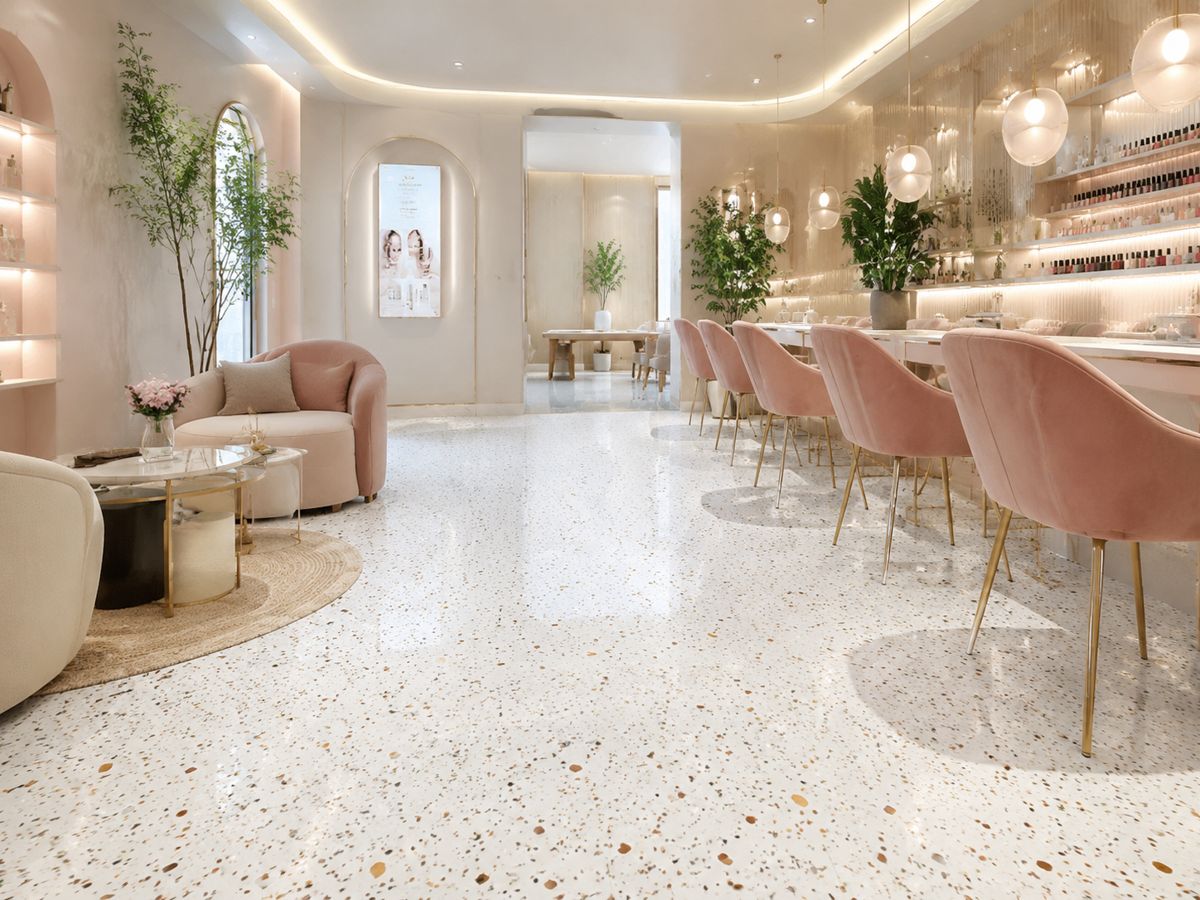
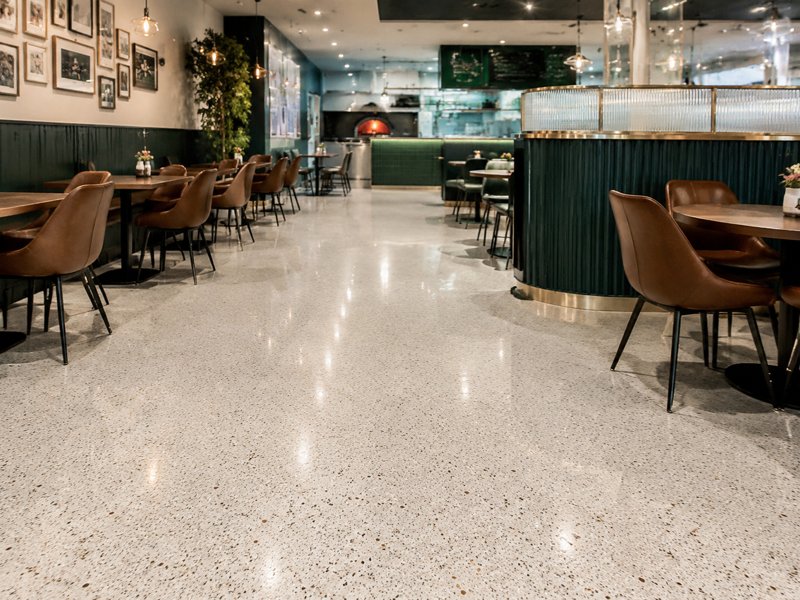
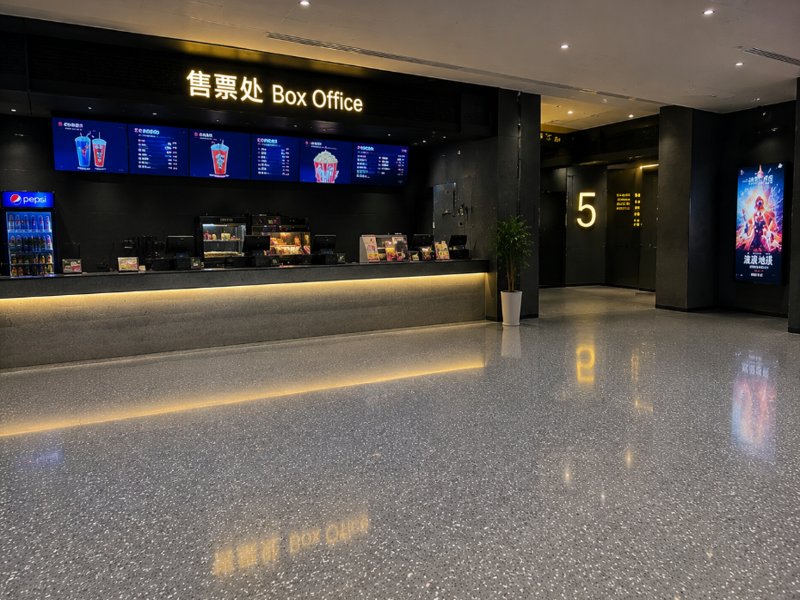
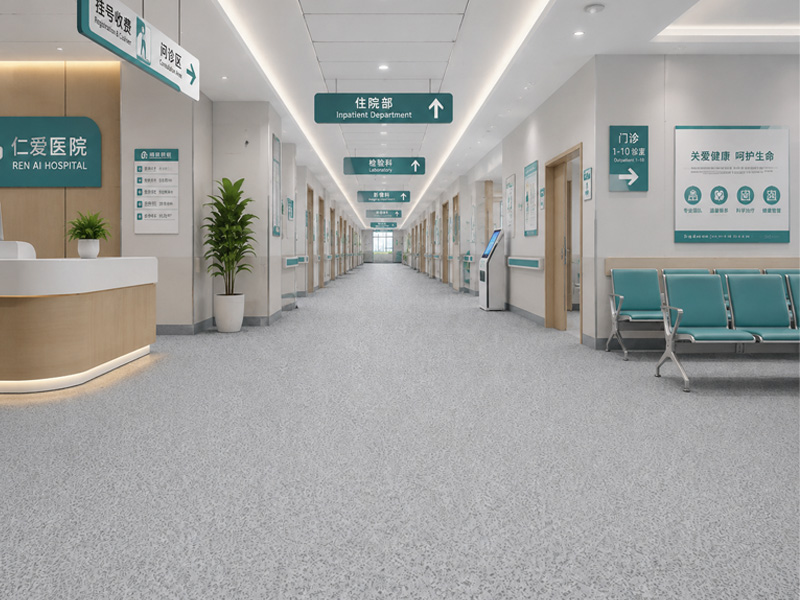
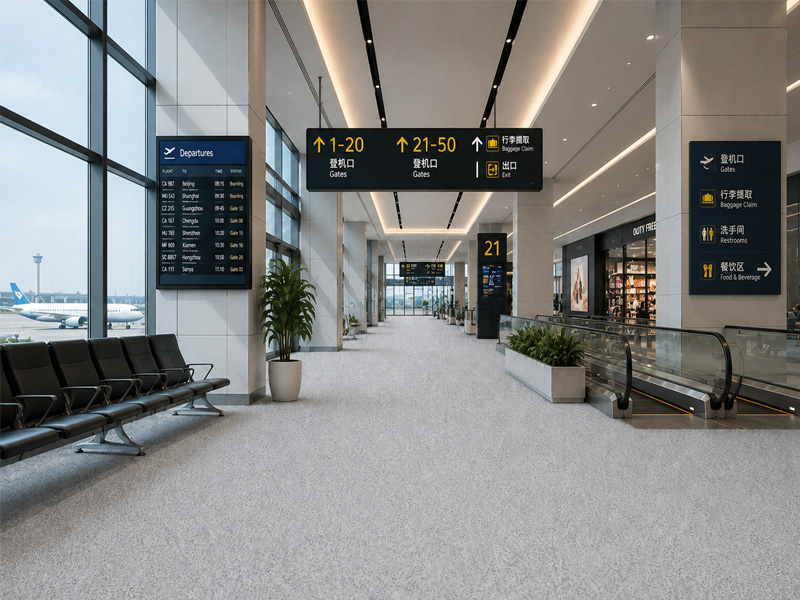
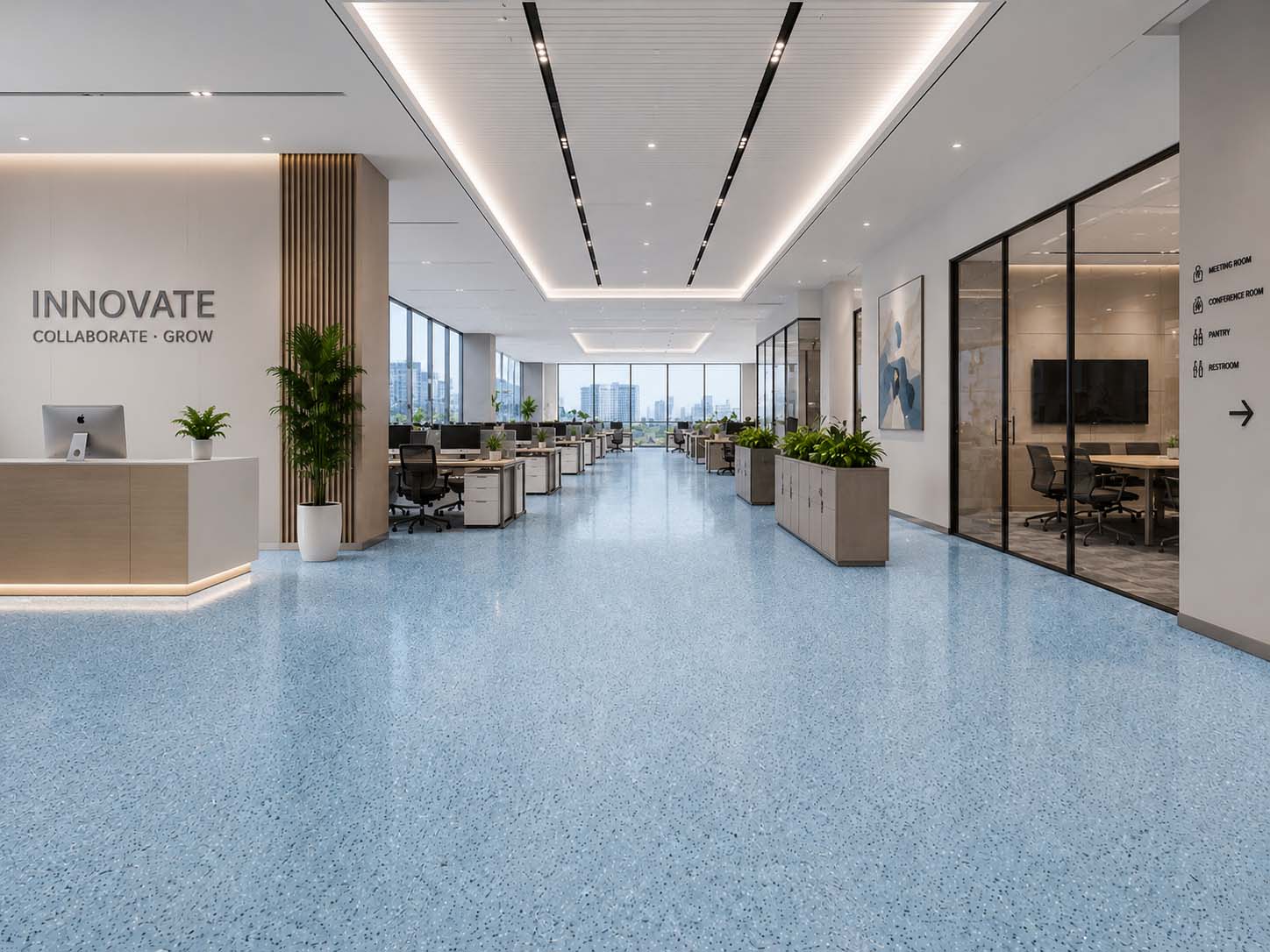
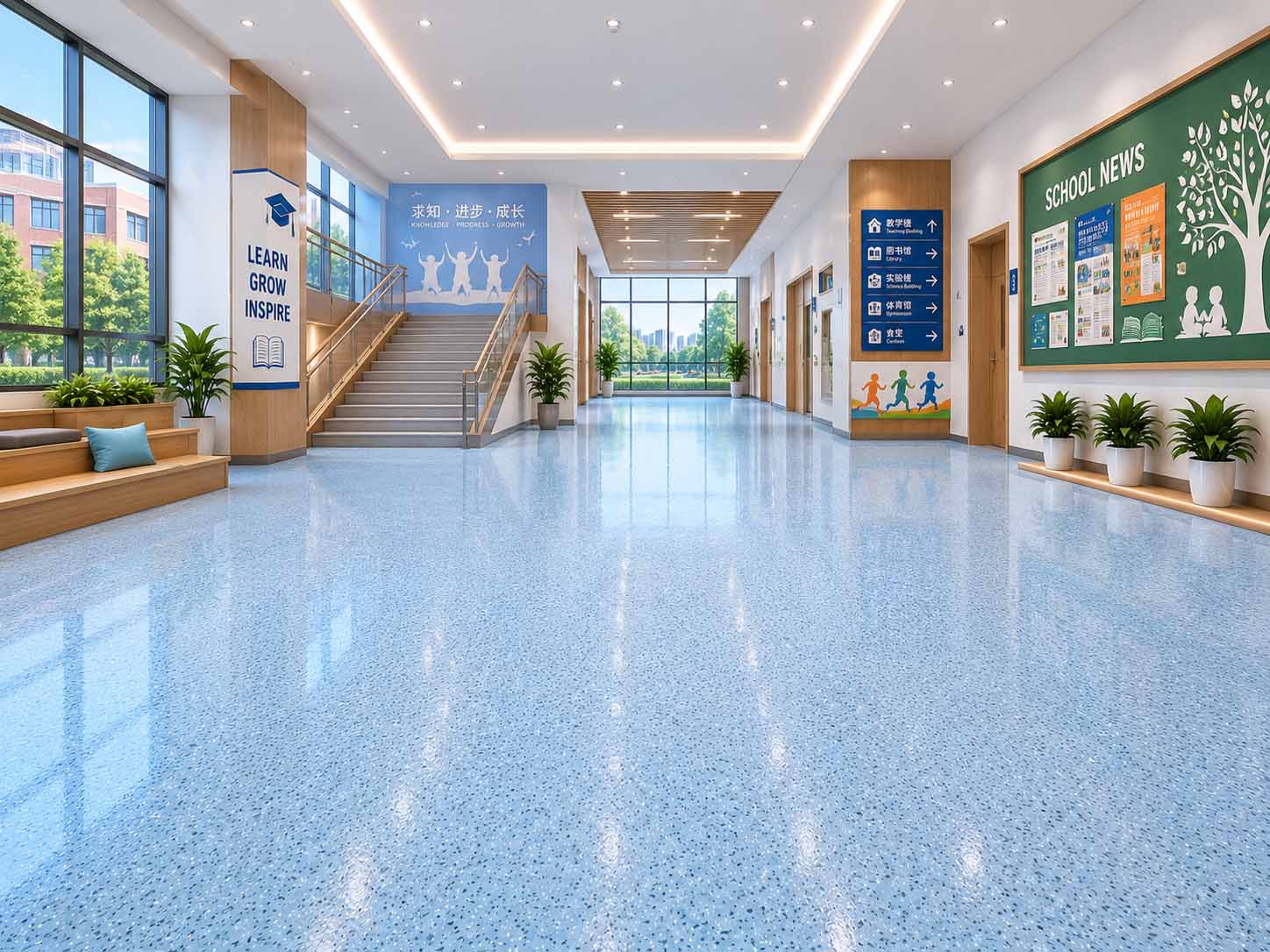
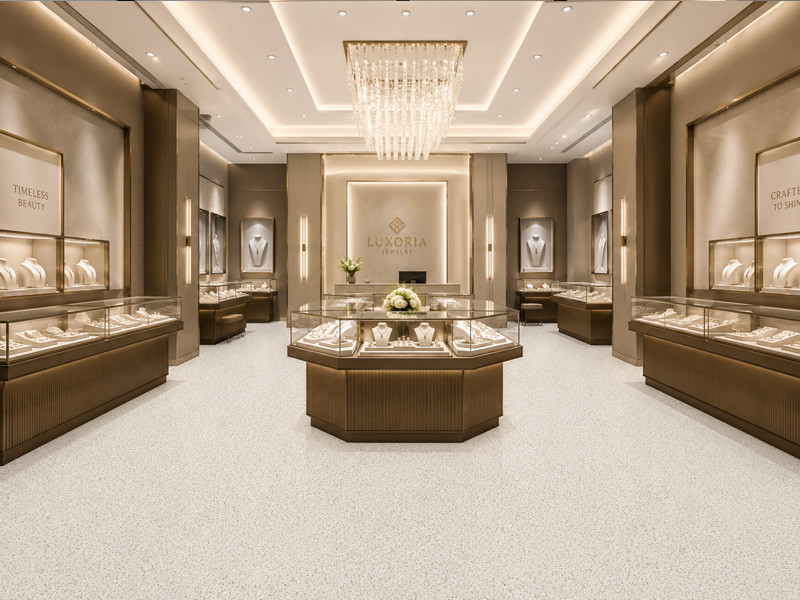
    Water-based Epoxy Colored Sand Flooring Paint: A Win-Win for Environmental Protection and Texture   Looking for a flooring material that combines "good looks + strong performance"? Waterborne Epoxy Colored Sand Flooring Paint is definitely worth considering! As a high-end environmentally friendly flooring coating, it uses water as the dispersion medium, combined with high-quality epoxy resin, waterborne curing agent and colored quartz sand, with low VOC, non-toxic and odorless, safe for construction and use.   After forming, it has a natural marble-like texture with full particles and uniform colors. It can also be paved seamlessly, wear-resistant, pressure-resistant, waterproof and stain-resistant, and daily stains can be wiped clean instantly. Whether it's a hotel lobby, shopping mall corridor, hospital or high-end office building, it can not only show style but also cope with high-frequency use scenarios, balancing decorativeness and practicality.   Worry-free construction + long durability make high-end floor decoration no longer complicated. Choose the right flooring paint to instantly upgrade the space texture~  
    Read More
  • How long is the construction period of epoxy terrazzo flooring?
    How long is the construction period of epoxy terrazzo flooring?
    Sep 15, 2025
    Construction period range: 1.Conventional period: Usually 15-20 days are required to complete all processes. 2. Special epoxy terrazzo process: Some complex processes (such as epoxy gold terrazzo) require more than 20 days. 3.The curing time can be shortened to 48 hours in summer and extended to 24-48 hours in winter.  Key construction stages: Base preparation (2-3 days): Including cleaning, leveling and epoxy primer application. The moisture content must be controlled below 8%.  Surface paving and curing: After paving, the epoxy terrazzo layer needs to be cured for 24-48 hours (summer) or longer (winter). Inorganic terrazzo curing takes 7-10 days. Epoxy terrazzo curing takes shorter time but the process is more complicated. Grinding and polishing (3-5 days) It is divided into coarse grinding (diamond No. 60-90), fine grinding (No. 200-500), and fine grinding (No. 2000-3000) processes.  Finishing treatment (1-2 days) Including grouting, waxing and finished product protection.  Influencing factors Temperature: The curing time may be extended by more than 50% in winter. 12 Process complexity: Epoxy grindstone requires multiple repairs and layered curing, which takes 5-7 days longer than inorganic grindstone.
    Read More
  • The difference between traditional terrazzo and epoxy terrazzo
    The difference between traditional terrazzo and epoxy terrazzo
    Sep 15, 2025
    Material Composition   Traditional terrazzo uses Portland cement or white cement as a binder, mixed with aggregates such as crushed stone, glass, and quartz, and then ground and polished to create a surface. Epoxy terrazzo uses a modified epoxy resin as a binder, allowing it to incorporate a wider variety of aggregates (such as natural marble and quartz) and achieve seamless integration.   Performance Crack Resistance: Epoxy terrazzo's tough polymer material reduces the risk of cracking in temperature fluctuations. Traditional terrazzo, due to its high coefficient of expansion, is susceptible to cracking due to thermal expansion and contraction.   Stain Resistance: Epoxy terrazzo's dense surface resists stains and is easy to clean and maintain. Traditional terrazzo's porous structure easily accumulates stains and requires regular crystallization.   Wear Resistance: Epoxy terrazzo offers excellent compressive and flexural strength, with a service life of up to 10 years. Traditional terrazzo is prone to sanding and cracking, and lacks durability under frequent use. ‌   Color Performance‌: Epoxy terrazzo uses color paste to create richer, more vibrant colors; traditional terrazzo relies on pigments, resulting in a monotonous color. ‌   Applicable Scenarios   Epoxy terrazzo is suitable for high-end commercial spaces (such as shopping malls and hotels) due to its high decorative properties and durability. Traditional terrazzo, being economical, is often used in public facilities such as schools and hospitals.
    Read More
  • What is epoxy terrazzo?
    What is epoxy terrazzo?
    Sep 15, 2025
    Epoxy terrazzo is an upgraded version of terrazzo, also known as organic terrazzo. It uses epoxy resin as a binder and is mixed with aggregates such as glass, shells, and gemstones. Materials and Processes Material composition: Modified epoxy resin is used as the binder, with a wider range of aggregate options (such as jade, quartz, etc.), and a seamless surface is formed through fine grinding and polishing. Construction process: It requires complex processes such as primer coating, aggregate spreading, curing and multiple polishing steps. The finished product has high flatness and bright colors. Performance advantages: Decorativeness: It supports stepless color matching and personalized pattern design, with a glossiness close to a mirror effect and strong artistic expression. Durability: It is resistant to pressure, wear and chemical corrosion, with a service life of more than 10 years and is not easy to crack or discolor. Easy maintenance: The dense surface is highly resistant to stains, easy to clean, and suitable for places with high hygiene requirements. Application scenarios: It is mainly used in high-end commercial spaces (such as hotels, shopping malls, and exhibition halls). It is not suitable for outdoor use and is mostly used for interior decoration.  
    Read More
  • What is the wear resistance of water-based epoxy colored sand floor coating?
    What is the wear resistance of water-based epoxy colored sand floor coating?
    Sep 04, 2025
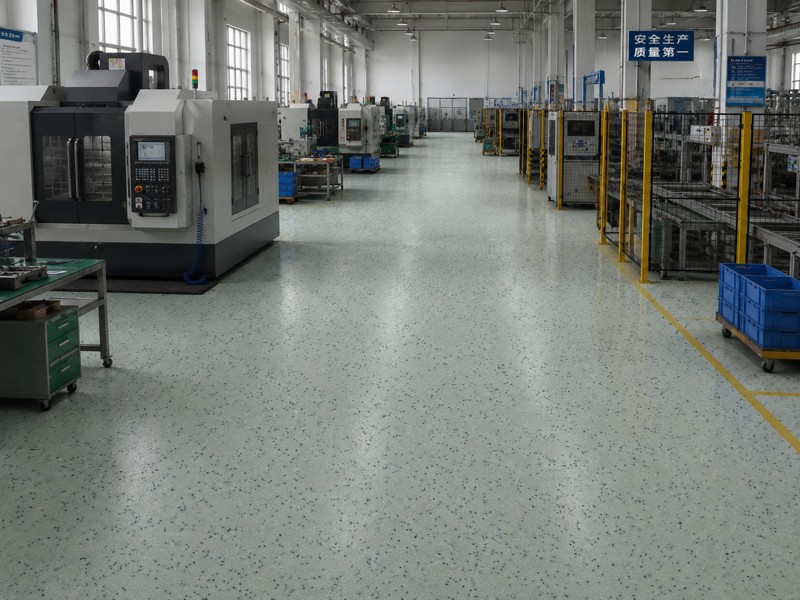
    Abrasion Resistance Analysis of Waterborne Epoxy Colored Sand Floor Coatings   1. Abrasion Resistance Performance Indicators Standard Test Data A:Abrasion Resistance (750g/500r): Weight Loss ≤ 0.050g, Actual Measured Value 0.044g B:Pencil Hardness Reaches 3H, Meeting General Load-Bearing Requirements C:Some High-End Products Offer Hardness Up to 7H, Significantly Improving Abrasion Resistance Industry Comparison A:Abrasion Resistance (750g/500r): Weight Loss ≤ 0.04g B:Thin-Coat Waterborne Epoxy Floor Coating: Weight Loss ≤ 0.02 g   2. Factors Affecting Abrasion Resistance Material Ratio A:Quartz sand content directly affects abrasion resistance B:The ratio of epoxy resin to hardener affects coating hardness Application Techniques A:A mortar layer with a thickness of 1-5mm achieves optimal abrasion resistance B:Self-leveling technology improves surface density   3. Actual Application Performance Service Life Thin-layer coatings offer a service life of 3-10 years Mortar coatings offer a service life of 8-20 years   4. Application Scenarios Suitable for light industrial environments (offices, shopping malls) For heavy-duty environments (factory workshops), thicker coatings are recommended.
    Read More
  • Bestrich epoxy colored sand floor coating quality ranks among the best in China!
    Bestrich epoxy colored sand floor coating quality ranks among the best in China!
    Sep 04, 2025
    The core advantages of BestRich epoxy colored sand floor paint are: 1. Excellent Environmental Performance A:BestRich water-based epoxy colored sand floor paint uses water as a dispersion medium, resulting in extremely low VOCs and no irritating odor during application. B:The production process emits few toxic gases, harming worker health. It is also highly safe to transport, eliminating the need for specialized hazardous chemical vehicles. C:Compared to traditional oil-based flooring materials, it reduces hazardous material emissions by over 90%.   2. Outstanding Decorative Effects A:This product offers a wide range of color options and mix-and-match options, with a glossiness of up to 90°, achieving a mirror-like finish. Effects B:The unique texture of colored sand flooring allows for the division of functional areas, enhancing the visual depth of the space. C:Customizable pattern designs are available to meet the individual needs of commercial spaces.   3. Excellent Physical Properties A:Abrasion Resistance: Hardness reaches over 7H, capable of withstanding prolonged impact from heavy equipment. B:Slip Resistance: The microporous structure provides excellent grip and maintains non-slip properties even in wet conditions. C:Chemical Resistance: Effectively resists oil, dirt, and corrosive liquids. D:Service Life: Over 10 years with proper maintenance.
    Read More
  • Which type of epoxy colored sand floor coating is more environmentally friendly?
    Which type of epoxy colored sand floor coating is more environmentally friendly?
    Sep 04, 2025
    Comparative Analysis of the Environmental Performance of Epoxy Colored Sand Floor Coatings:   1. Environmental Performance Comparison Water-Based Epoxy Colored Sand Using water as the dispersion medium, it has an extremely low VOC content (formaldehyde emission is only 0.02 mg/m³). Contains no harmful substances such as formaldehyde and benzene, and has virtually no irritating odor during application. Especially suitable for environments with high environmental requirements, such as children's rooms and elderly care rooms. Solvent-Free Epoxy Colored Sand Contains no organic solvents and releases no harmful substances after curing. Suitable for use in environments with strict hygiene requirements, such as pharmaceuticals and food services. Oil-Based Epoxy Colored Sand Contains organic solvents such as toluene and xylene, resulting in poor environmental performance. Ensure adequate ventilation during application; trace residues may remain after curing.   2.Buying Tips ‌Preferred Choices‌ Water-based or solvent-free products (most environmentally friendly)‌ Look for environmental certifications (such as FDA, Green Building Materials Certification)‌ ‌Cautions‌ Oil-based products are not recommended for use in confined spaces‌ Avoid low-priced, low-quality products (which may not meet environmental standards)‌ Application Precautions‌ Water-based products require ventilation for 48 hours after application. Oil-based products require protective gear for application workers.
    Read More
  • How long is the life of epoxy colored sand floor coating?
    How long is the life of epoxy colored sand floor coating?
    Sep 04, 2025
    The lifespan of epoxy colored sand floor coatings is affected by factors such as material quality, construction process, and operating environment. A comprehensive analysis is provided below:   1. Lifespan Range High-quality epoxy colored sand flooring: 10-15 years (indoor, dry environment) High-performance epoxy self-leveling colored sand: 15-20 years (thickness ≥ 2mm) Low-quality products: Lifespan may be shortened to 5-8 years (low resin content or improper construction) Specific application differences Humid areas (such as kitchens and bathrooms): 8-12 years (regular maintenance required) Outdoor environments: 5-8 years (weather-resistant product required) Heavy-duty industrial areas: 6-10 years (high-hardness formula required)   2. Key Influencing Factors Material Quality High-purity epoxy resin + weather-resistant pigments can extend the lifespan to 15 years High-quality domestic materials offer high cost-effectiveness and a stable lifespan. Construction Technology Improper base preparation (moisture content >8%) can lead to hollowing and shedding within 1-2 years. Proper construction (meeting required thickness and dense filling) can increase lifespan by 30%. Maintenance Regular cleaning (avoiding strong acids and alkalis) can reduce surface corrosion. Promptly repairing local cracks can prevent the problem from spreading.   3. Recommendations for Extending Lifespan Material Selection Preferably use solvent-free, environmentally friendly formulas (low VOC, anti-aging). Recommended thickness ≥ 3mm for heavily loaded areas. Construction Controls Ensure base strength ≥ C25 and moisture content ≤ 8%. Expansion joints require elastic filler (displacement ≥ 5mm). Usage and Maintenance   Avoid scratches with sharp objects; heavy equipment should be equipped with cushioning pads.
    Read More
  • What are the color options for colored sand floor coatings?
    What are the color options for colored sand floor coatings?
    Sep 04, 2025
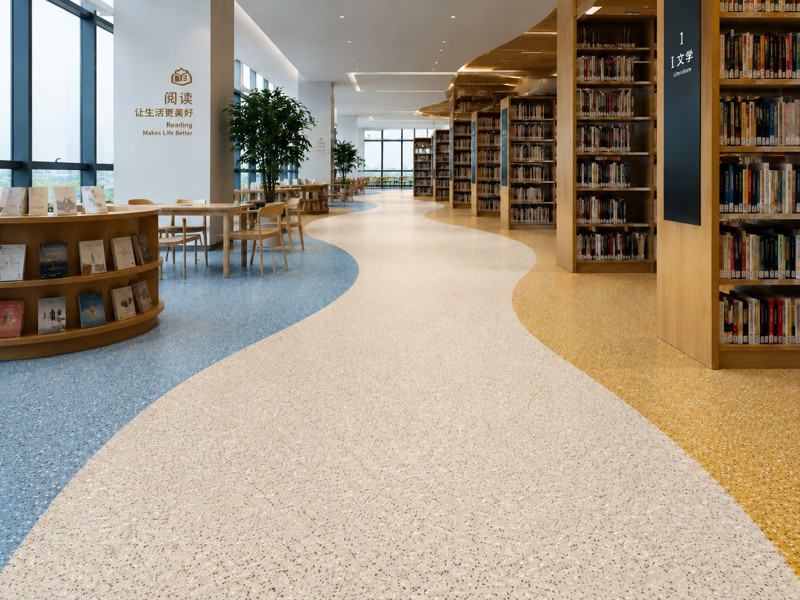
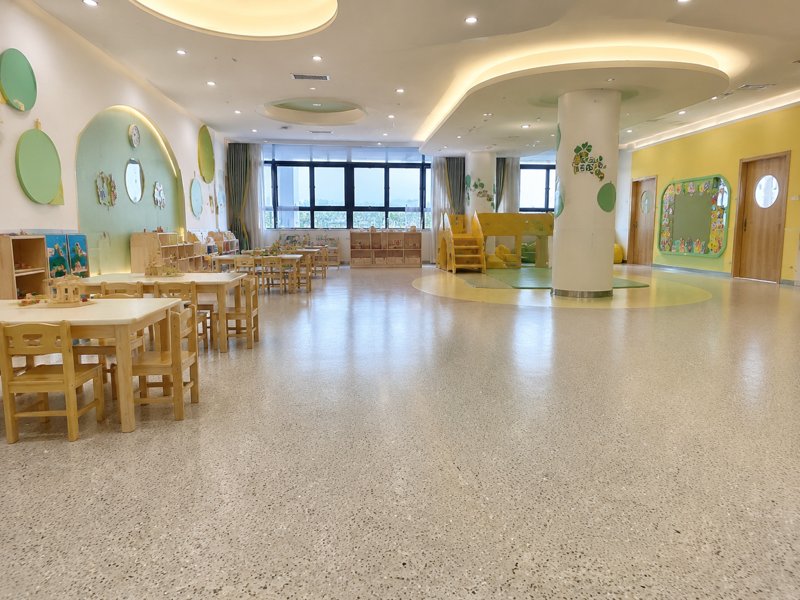
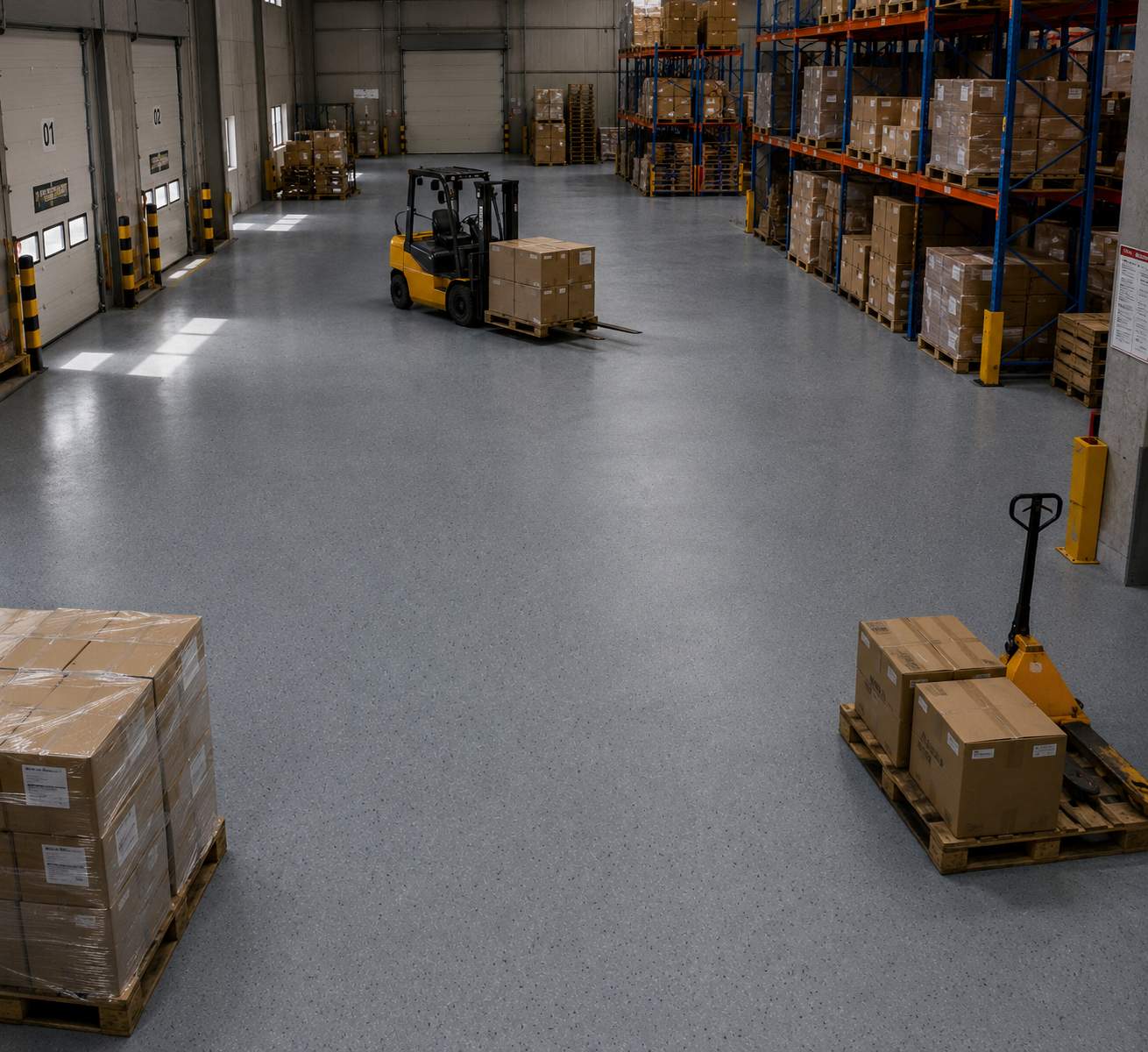
    Colored sand floor coatings offer a wide variety of colors, allowing for customization based on specific needs. They are categorized as follows: 1. Basic Colors ‌Monochromatic Colors‌ Common Industrial Colors: Dark Gray, Dark Blue (Stain-Resistant and Wear-Resistant) Commercial/Home Colors: Light Yellow, Beige, Sky Blue (Creating a Warm Atmosphere) Specialty Colors: Green (Hospitals, Kindergartens), Vivid Red (Warning Areas) Primary Color Derivatives‌ By mixing the three primary colors red, yellow, and blue, you can create transitional colors like orange, green, and purple. For example: Red + Yellow = Orange (Less red and more yellow creates a darker yellow, while adding white creates a lighter yellow). Yellow + Blue = Green (Less yellow, more blue for a darker blue, adding white for a lighter green). 2. Customized Solutions Stone-like Effect Using natural colored sand particles, we can simulate marble and granite textures, with hundreds of color combinations. Functional Zoning Color Matching Industrial Areas: Dark Gray + Yellow Warning Line (Wear-Resistant and Safety Signage) Commercial Spaces: Gradient Sky Blue + White (Modern Look) Brand Color Matching Services For example, Mapei Epoxy Colored Sand offers professional color matching (additional fee) to match tile colors (e.g., #100 White, #120 Black). 3. Recommended Applications Color Types Applicable Scenarios Advantages Dark Gray/Dark Blue: Industrial plants and warehouses. Stain-resistant and pressure-resistant. Light Yellow/Beige: Offices and homes. Brightens the space. Sky Blue/Green: Hospitals and kindergartens. Soothing and easy to clean. Multi-Color Parquet: Exhibition halls and shopping malls. Strong decorative effect. 4. Precautions Lighting Effects: Dark colors are recommended for well-lit areas (to reduce glare), while bright colors are recommended for dark areas (to enhance reflection). Environmental Performance: Low-VOC, environmentally friendly colored sand (such as Manzhen brand) is preferred. Application Limitations: On-site color testing is required to confirm the effect and avoid color variations.
    Read More
1 2 3 4 5
A total of5pages

leave a message

leave a message
If you are interested in our products and want to know more details,please leave a message here,we will reply you as soon as we can.
submit

home

products

WhatsApp

Contact Us

Start a Conversation

Hi! Click one of our members below to chat on