floor paint

Home

floor paint

  • Choose Water-Based Epoxy Colored Sand for Old House Renovations: 3 Major Advantages + Tips to Avoid Pitfalls, Revitalize Old Floors Without the Hassle
    Choose Water-Based Epoxy Colored Sand for Old House Renovations: 3 Major Advantages + Tips to Avoid Pitfalls, Revitalize Old Floors Without the Hassle
    Apr 13, 2026
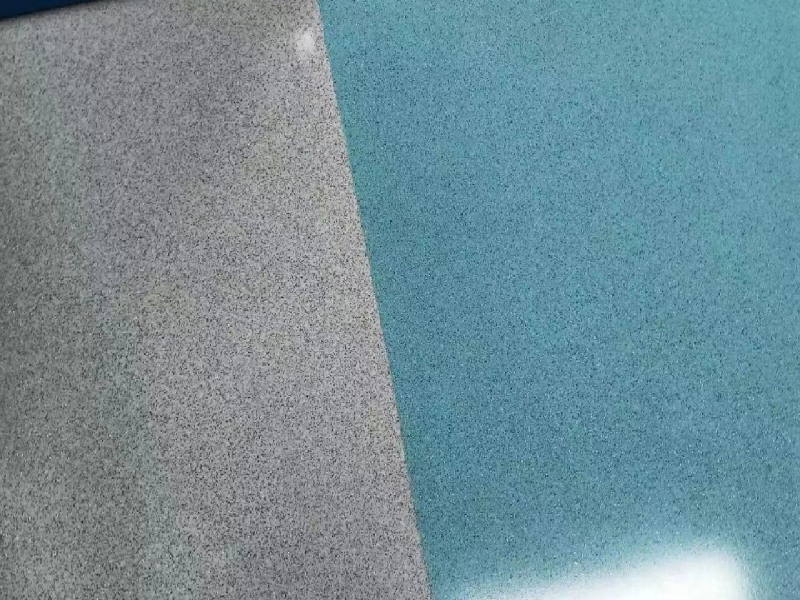
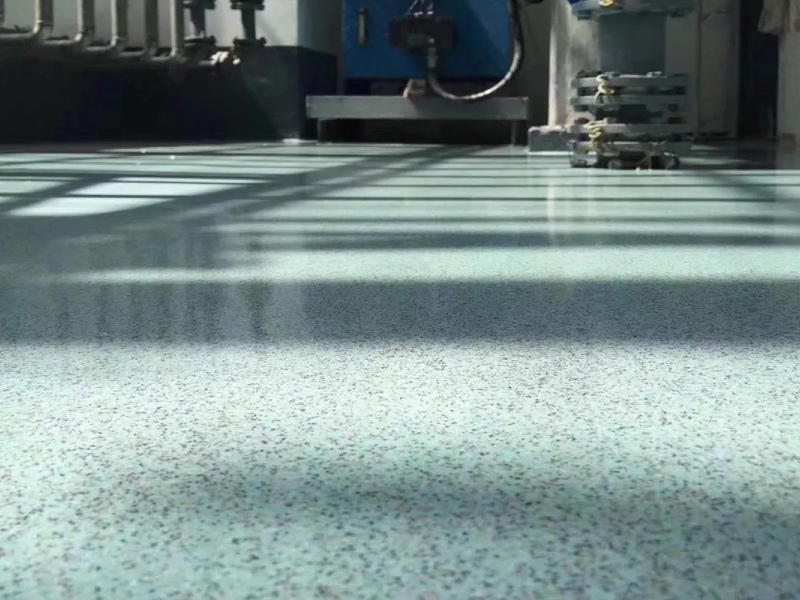
    The biggest headache of renovating an old house is floor treatment—removing old tiles is expensive and inconvenient, while applying conventional floor paint can be environmentally unfriendly. However, water-based epoxy colored sand floor paint, with its advantages of "thin application without raising the surface," "environmental protection, no odor," and compatibility with old subgrades, has become the optimal solution for renovating old house floors. Today, let's discuss how to install it hassle-free for renovating an old house. 1. 3 Core Advantages of Choosing It for Old House Renovations No need to remove old floors, saving time and effort: If the old floor (cement tile or concrete) is smooth and free of hollows, you can directly apply the paint after sanding the surface, eliminating the "removal and removal" process, shortening the construction time by 3-5 days and reducing neighborhood complaints. Thin coatings don't take up too much floor space: With a total thickness of only 1-2mm, they don't constrict the space like wood flooring (which takes up 3-5mm). They're particularly suitable for older homes with ceiling heights under 2.7 meters. Suitable for dampness in older homes: Older homes often experience moisture buildup in corners. The seamless design of water-based epoxy colored sand combined with a moisture-proof primer blocks moisture penetration, preventing mold and bulging. 2. Two Essential Substrate Treatments Before Renovation Check the condition of the old floor: Tile floors should be inspected for hollows (tap and listen; if hollows exceed 10%, remove them). Cement floors should have cracks repaired (fill with epoxy mortar) to ensure a flatness tolerance of ≤3mm. Thoroughly clean and decontaminate: Remove oil and wax deposits from old tiles by soaking them in an alkaline detergent and then scrubbing. Dust from cement floors should be removed repeatedly with a vacuum cleaner and mop to prevent adhesion. 3. Pitfalls to Avoid When Renovating an Old House Don't be tempted to "do it all in one go": If the old floor is too dark (such as dark brown tiles), apply a layer of opaque primer before applying the sandblasting coat. Otherwise, the color will show through, causing color discrepancies. Allow space for furniture to enter and exit: Old houses often have narrow door gaps. Measure the door bottom height before construction. If the sandblasting coat is thicker than the gap, raise the gap in advance to prevent the door from becoming blocked later. Choose a "fast-drying" product: Old house renovations often require ongoing living. Choose a fast-drying water-based epoxy sandblasting product with a surface cure time of 4 hours and a full cure time of 24 hours to minimize disruption to your daily life.
    Read More
  • Water-Based Epoxy Colored Sand Floor Paint: A Guide to 3 Major Application Scenarios
    Water-Based Epoxy Colored Sand Floor Paint: A Guide to 3 Major Application Scenarios
    Apr 09, 2026
    Theory isn't as intuitive as practice. The following three case studies, covering different scenarios, condense the core application logic of water-based epoxy colored sand flooring to help you quickly gain practical inspiration. Case 1: 140㎡ Modern Minimalist Home (Family with Children) Core Requirements: Environmentally friendly, odorless, slip-resistant, and stain-resistant, while maintaining a minimalist style. Solution: Use 0.3mm light gray fine sand (matte finish) throughout the home. Create a dark gray fine sand circular mosaic with metal strips in the living room sofa area. Switch to 1mm dark gray medium sand (slip-resistant and oil-resistant) in the kitchen. Use 0.3mm light blue fine sand and cartoon colored sand mosaic in the children's room. Highlights: After application, air it out overnight before moving in, allowing children to play barefoot. Juice and oil stains are easily wiped away, and there's no fading or delamination for a year. Feedback: "It's much more practical than old wood floors, durable, and makes the space appear larger." Case 2: 60㎡ Retro-Style Cafe (High Traffic) Core Requirements: Retro atmosphere, durable and easy to clean, and inviting for photos. Solution: 1.5mm caramel-colored coarse sandpaper (lightly sanded for distressing), black medium sandpaper for the bar frame and copper strips, dark green medium sandpaper for striped mosaics near the window, and a colorful sand logo at the entrance. Highlights: The distressed texture complements the retro style and creates a photo-op; coffee spills can be wiped with a damp cloth, and after six months of high traffic, there's no noticeable wear. Feedback: "The floor has a natural 'atmosphere' and is easier to maintain than expected." Case 3: 150㎡ Home Garage (Double Parking) Core Requirements: Anti-slip (in rainy weather), heavy-duty, and clearly demarcated parking spaces. Solution: 2mm dark gray coarse sand (anti-slip coefficient 0.7), yellow medium sand for marking parking spaces and license plate numbers, white lines for lanes, red colored sand for corner warnings, and a blue medium sand border around the charging station area. Highlights: No slipping when parking in the rain, no cracking after two years of vehicle damage; even novice drivers can find a parking space quickly. Feedback: "It's easier to use than the residential concrete floor, dirt-resistant, and safer."
    Read More

  • A complete analysis of the construction of water-based acrylic floor paint-a complete guide from preparation to maintenance
    A complete analysis of the construction of water-based acrylic floor paint-a complete guide from preparation to maintenance
    Apr 27, 2025
     water-based acrylic floor paint   1. Key preparations before construction Surface treatment: New concrete needs to be cured for more than 28 days, with a moisture content of ≤6%, and oil stains and floating slurry should be removed. The old floor needs to be polished to a solid base, and acid washing should be used to neutralize the alkalinity if necessary. Environmental requirements: Construction temperature ≥10℃, humidity 30%-70%, avoid rainy season or high temperature exposure to prevent bubbling or sagging of the paint film.   2. Standardized construction process Primer sealing: Roll on penetrating primer (such as epoxy sealing primer) to enhance adhesion and seal pores, with a dosage of about 6-8㎡/kg. Middle coating leveling: Mix quartz sand (80-100 mesh) and floor paint and scrape to increase thickness and compressive strength, with a dosage of 3-4㎡/kg. Top coating decoration: Roll or spray in two passes to ensure uniform color, each pass is about 25 microns thick, and the total dosage is 4-5㎡/kg. Surface protection (optional): Spray silicone acrylic topcoat to improve gloss and stain resistance.   3. Construction precautions Dilution ratio: Mix according to product instructions, excessive water addition may cause sagging or reduce performance. Interlayer drying: Each coat needs to be completely dry (usually 2-8 hours) to avoid the next process when it is not completely dry.   4. Maintenance and acceptance Maintenance period: Under 25℃ environment, it can be walked on for 48 hours and can be used normally after 7-10 days. Low temperature or high humidity requires extended maintenance time. Acceptance criteria: paint film has no hollows, uniform color, and meets water resistance test (no peeling after 72 hours of immersion) and hardness test standards.
    Read More
  • Water-based acrylic floor paint - a ground solution with both environmental protection and performance
    Water-based acrylic floor paint - a ground solution with both environmental protection and performance
    Apr 27, 2025
    Water-based acrylic floor paint    1. Environmental advantages: low VOC, safe and pollution-free Water-based acrylic floor paint uses water as a diluent and does not contain organic solvents. It reduces the emission of volatile organic compounds (VOC) from the source and complies with strict environmental regulations. Its non-toxic and non-irritating odor characteristics are particularly suitable for areas with high air quality requirements such as schools, hospitals, and children's activity venues.   2. Excellent performance: all-round protection from weather resistance to wear resistance Weather resistance: It can resist ultraviolet rays and rain erosion in outdoor scenes, and keep the color bright and non-fading for a long time. It is suitable for courts, trails, etc. High hardness and wear resistance: The hardness can reach HB level, and the acid, alkali, and oil resistance tests have passed the national standard. It is especially suitable for heavy-load environments such as garages and workshops. Quick drying: The surface drying time is short, and it can be matched with a quick-drying emulsion to shorten the construction period and improve construction efficiency.   3. Application scenarios: wide coverage from industry to life Sports venues: basketball courts, tennis courts, and other venues that require anti-slip and wear resistance. Industrial scenes: warehouses, workshops, parking lots, meeting the requirements of pressure resistance and impact resistance. Public places: kindergartens, community trails, taking into account safety and aesthetics.  
    Read More
  • How long will floor paint last?
    How long will floor paint last?
    Dec 10, 2024
    1. The service life of different types of floor paint: ‌Flat coating epoxy floor paint‌: The thickness is generally 0.5-0.8mm, and the service life is 5-8 years. ‌Epoxy mortar floor paint‌: The thickness is generally 1-5mm, and the service life is 8-10 years. ‌Epoxy self-leveling floor paint‌: The thickness is generally 1-5mm, and the service life is 10-15 years. 2. Factors affecting the service life of floor paint: ‌Construction quality‌: The construction process and quality directly affect the service life of floor paint. Strictly following the construction regulations can extend its service life. ‌Daily maintenance‌: Regular cleaning and maintenance can significantly extend the service life of floor paint. For example, use soft-soled shoes to enter the floor area, avoid scratches from sharp objects, keep the floor clean, etc. ‌Use environment‌: An environment with high humidity and large temperature difference may accelerate the aging and damage of floor paint. 3. Methods to extend the service life of floor paint: ‌No personnel and equipment are allowed to enter during maintenance: Floor paint needs to be rainproof and waterproof during the curing period, which is generally 7 days. ‌Daily maintenance: Use soft mops and rags for cleaning to avoid sharp objects scratching the ground. ‌Regular inspection and maintenance: Regularly check the status of floor paint, repair minor problems in time, and prevent problems from expanding.
    Read More
  • Matters needing attention before brushing water-based epoxy floor paint on cement ground
    Matters needing attention before brushing water-based epoxy floor paint on cement ground
    Dec 03, 2024
    In modern buildings that pursue both beauty and practicality, water-based epoxy floor paint has become the first choice for floor decoration and protection in many places due to its environmental protection, wear resistance, corrosion resistance and other characteristics. However, the preparation work before construction is crucial and directly related to the final effect and service life of the floor. So, what should be paid attention to before applying water-based epoxy floor paint on cement floors? 1. Floor cleaning and repair Before applying water-based epoxy floor paint, the first task is to ensure that the cement floor is thoroughly cleaned and repaired. Cement residues, mortar, grease and other impurities on the ground need to be thoroughly removed, especially grease impurities, which need to be wiped clean with a special solvent to avoid affecting the adhesion of the coating. At the same time, the ground is polished to increase the surface roughness and improve the adhesion of the coating. In addition, check whether the ground has hollows, cracks or sanding. If so, it needs to be repaired in time to ensure that the ground is flat and solid.     2. Environmental conditions and primer painting The construction environment also has a profound impact on the quality of water-based epoxy floor paint. Before construction, it is necessary to ensure that the ambient temperature is above 4°C, the optimal construction temperature is 10-25°C, and the humidity should not exceed 80%, and construction on rainy days should be avoided. At the same time, the ground needs to be kept dry and the water content is less than 10%. Primer painting is the basis of floor construction. It is necessary to select qualified water-based epoxy primers and apply them evenly with a brush. Pay attention to following a certain direction to ensure the beauty and uniformity of the coating. After applying the primer, you need to wait for it to fully cure before proceeding with subsequent construction.  
    Read More

leave a message

leave a message
If you are interested in our products and want to know more details,please leave a message here,we will reply you as soon as we can.
submit

home

products

WhatsApp

Contact Us

Start a Conversation

Hi! Click one of our members below to chat on