Epoxy Colored Sand Floor coatings – The Ideal Floor Solution for All School Zones
Jun 06, 2026
Schools are high-traffic public spaces with thousands of students walking every day. Classrooms, hallways, labs, gyms and libraries impose strict requirements on flooring: student safety, long-term wear resistance, eco-friendly formula, easy stain removal and controllable budget. Traditional tiles, thin epoxy and PVC floors all have obvious defects.
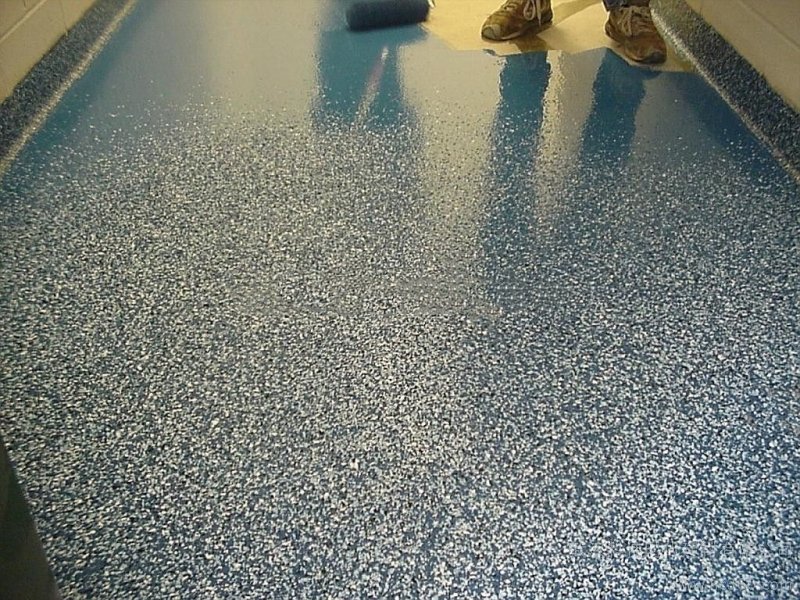
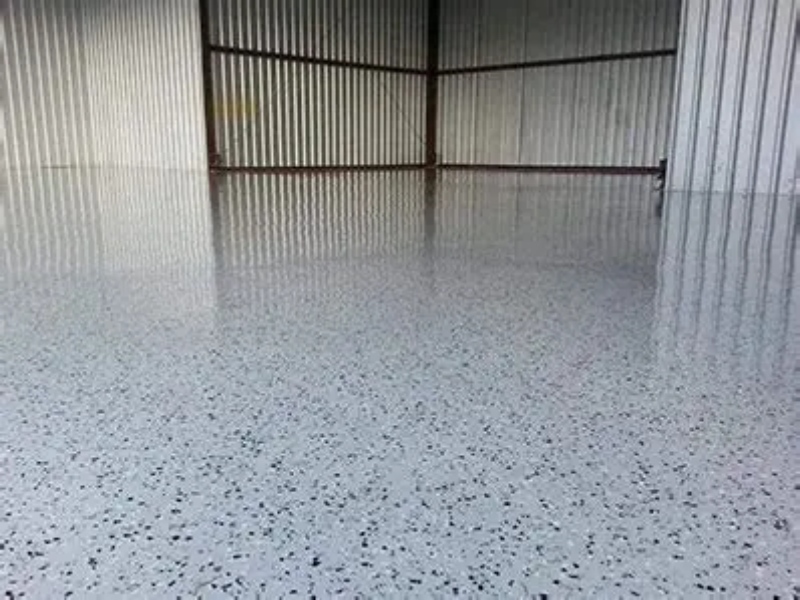
Epoxy colored sand floor coatings, reinforced with colored quartz sand aggregate, has become a mainstream floor material for new and renovated schools worldwide. It fully meets the demands of primary schools, high schools and vocational colleges.
1. 5 Core Advantages to Solve School Floor Pain Points
Low VOC & Zero Formaldehyde, Eco-Safe for Teachers & Students
Water-based or solvent-free epoxy formula complies with international indoor safety standards for children. No formaldehyde, low odor and zero radioactive pollution. The floor can be put into use right after curing without long-time ventilation. It avoids respiratory irritation for kids in classrooms, activity rooms and clinics, eliminating chemical pollution risks fundamentally.
Anti-Slip & Shock-Absorbent, Prevent Falls & Injuries
Mixed quartz sand creates a consistent anti-slip texture on the surface, providing stable traction on both dry and wet floors, ideal for rainy hallways, restrooms and gyms. The slight elastic buffer reduces impact force by 40% when students slip and fall, greatly lowering scratches, fractures compared with hard ceramic tiles, fully meeting campus safety standards.
Extreme Wear & Chemical Resistance, 10–15 Years Service Life
Quartz sand aggregate boosts surface hardness (Shore Hardness ≥80). It resists scratches from desk dragging, trolley wheels and daily heavy footsteps, without peeling or fading for over a decade. In chemistry labs, it withstands acid, alkali, ink and lab reagent spills; stains can be wiped off effortlessly.
Seamless & Antibacterial, Cut Cleaning Cost by Half
Monolithic seamless structure leaves no grout lines to trap dust, mold and bacteria. Chalk dust, juice, paint and oil stains can be cleaned quickly with mops and neutral detergent. Janitor daily cleaning time is reduced by 30%, saving long-term labor and renovation budget for schools.
Custom Color Design, Optimize Teaching Atmosphere
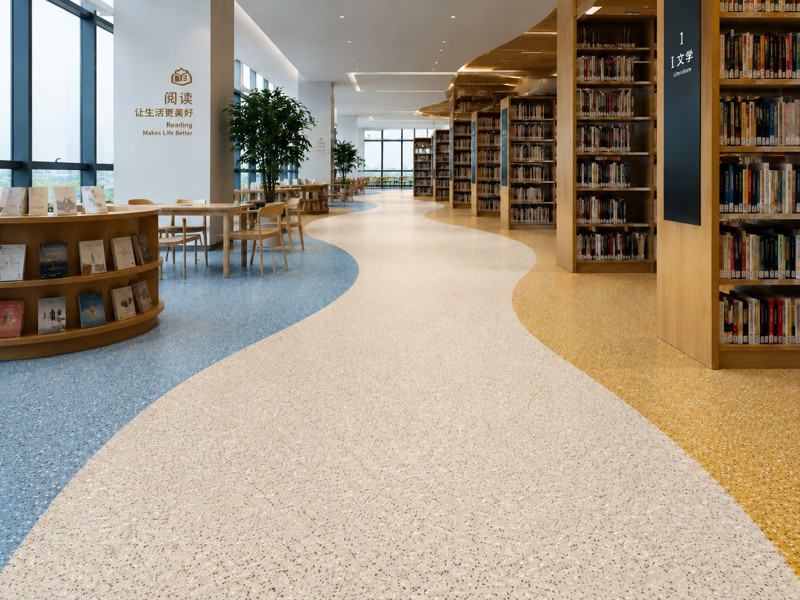
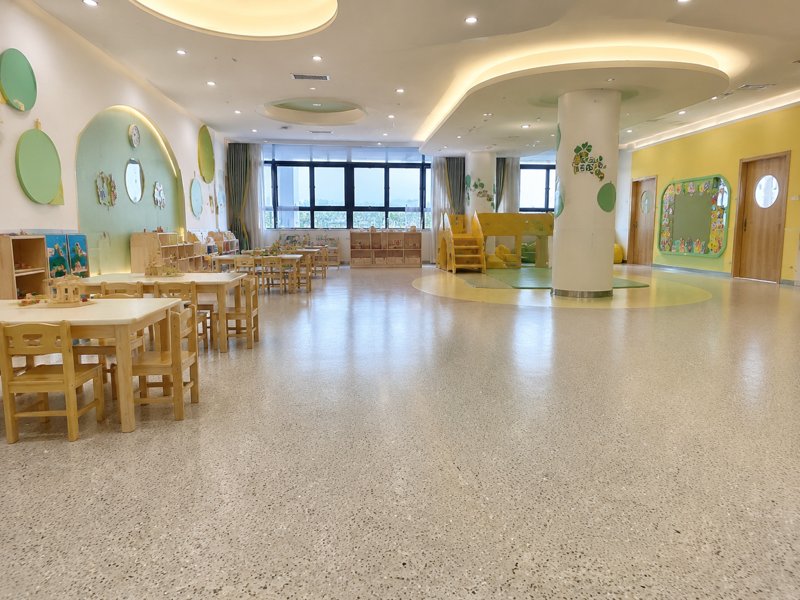
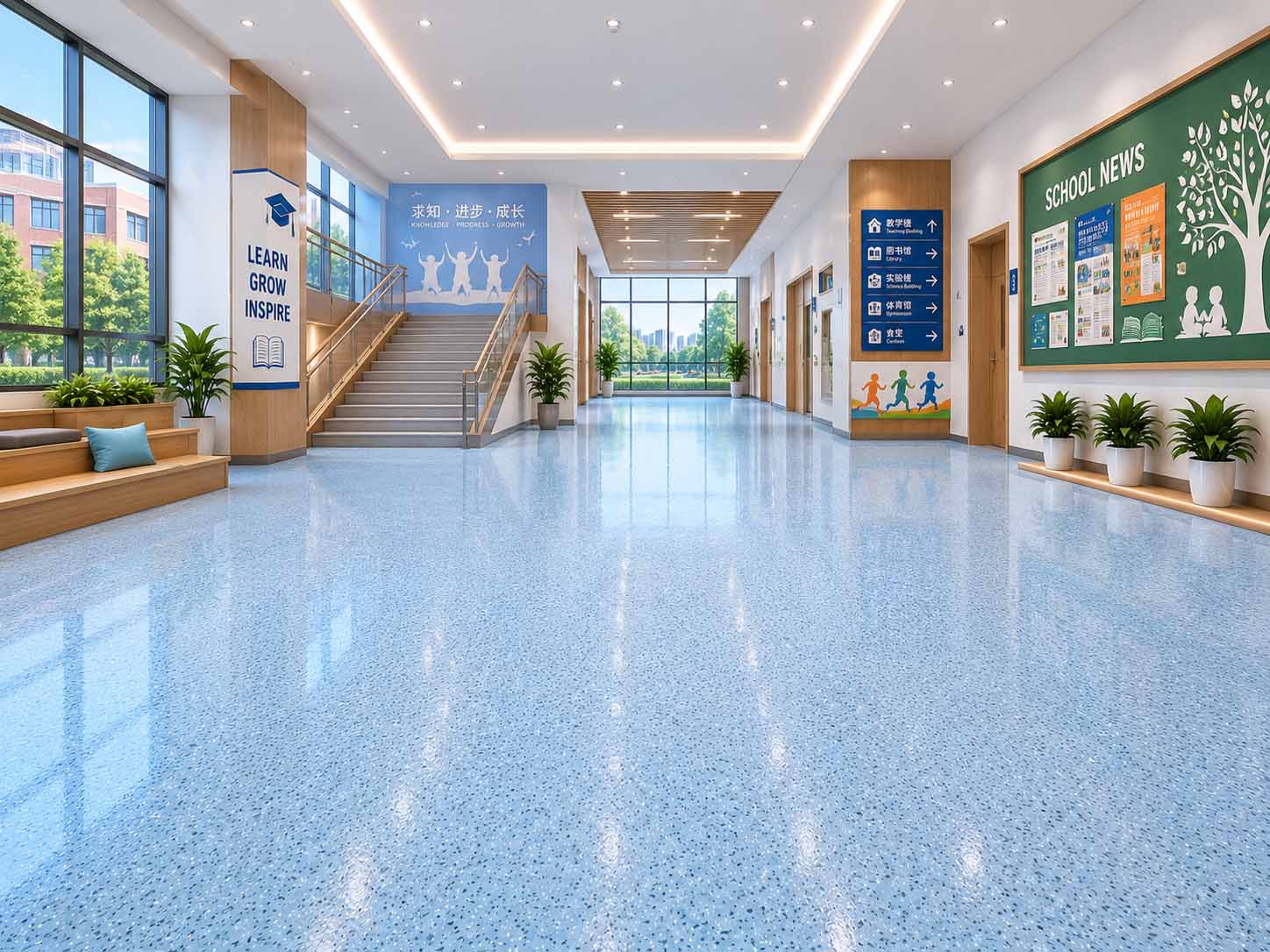
Hundreds of color sand shades are available for zone division: soft light blue & cream white for classrooms to ease eye strain; bold colored strips for hallway traffic guidance; bright lively tones for gyms and activity rooms. We can integrate school logos and safety marking lines on the floor to upgrade overall campus aesthetics.
2. Full School Application Zones
Teaching Areas: Classrooms, corridors, staircases, reading rooms, libraries
Special Functional Zones: Science labs, art rooms, school clinics, canteen kitchens
Sports Zones: Indoor gyms, dance studios, playground activity areas
Public Support Zones: Lobbies, restrooms, storage rooms, training workshops, underground passages
Read More






 IPv6 network supported
 English