Water-Based Epoxy Colored Sand Floor Paint vs. Other Flooring: A Comparison of Three Key Dimensions: Which is More Environmentally Friendly and Practical?
Apr 08, 2026
Dimension 1: Environmental Comparison - Which is More Suitable for "Move-In Ready" Installation?
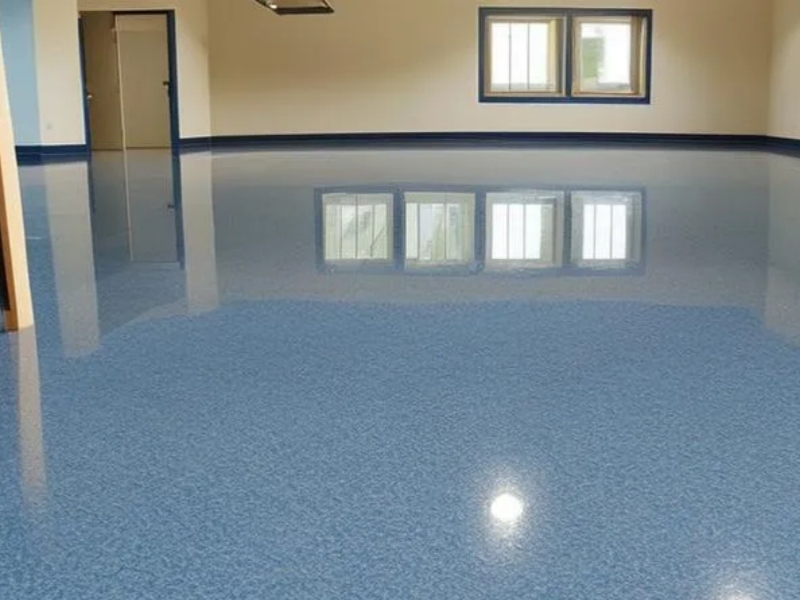
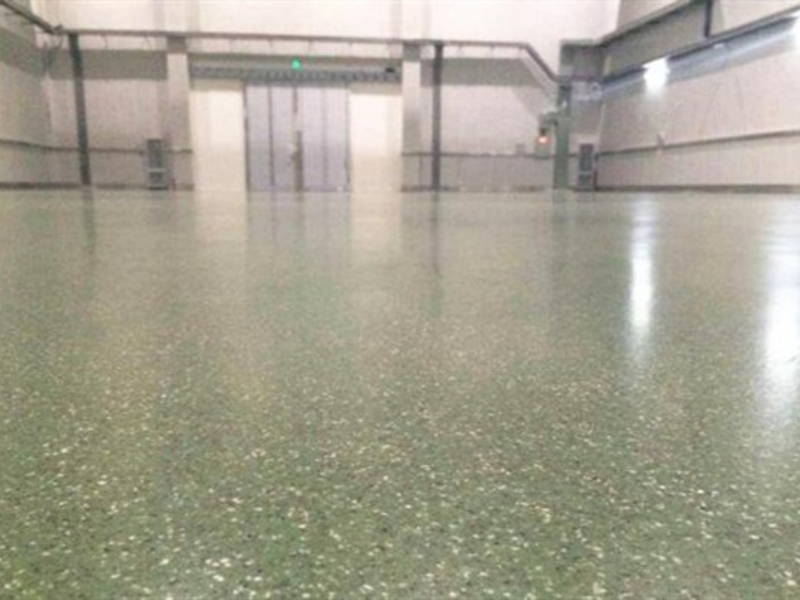
Water-Based Epoxy Colored Sand Floor Paint: ★★★★★
Advantages: VOC content ≤ 100g/L, no pungent odor during application, no formaldehyde or benzene emissions after curing, and ready for occupancy after 24 hours. The colored sand is natural quartz sand, free of heavy metal contamination, making it suitable for sensitive areas such as children's and elderly rooms.
Disadvantages: Choose a reputable brand to avoid "fake water-based" products (those mixed with solvents).
Ceramic Tiles: ★★★★
Advantages: No formaldehyde emissions, relatively stable environmental performance.
Disadvantages: Requires tile adhesive (some low-quality tile adhesives contain formaldehyde), and the cutting process generates a large amount of dust, polluting the construction environment. Tile joints can harbor dirt and bacteria. Wood Flooring (Solid Wood): ★★★★
Advantages: Natural material, chemical-free, and comfortable to the touch.
Disadvantages: The surface paint may contain a small amount of VOCs, requiring ventilation for 1-2 weeks. The baseboard adhesive used during installation may release formaldehyde, and the wood floor is susceptible to moisture and mold, requiring regular maintenance.
Ordinary Epoxy Flooring (Solvent-Based): ★★★
Advantages: No emissions after curing.
Disadvantages: Application relies on organic solvents (VOC content ≥ 300g/L), resulting in a strong odor. Ventilation for at least one month is required before moving in, making it unsuitable for people with allergies.
Dimension 2: Practicality Comparison - Which is More Durable?
Water-Based Epoxy Colored Sand Floor Paint: ★★★★★
Abrasion Resistance: Surface hardness 2-3H, resistant to abrasion and impact, suitable for high-use areas such as kitchens and garages, with a service life of 8-15 years.
Waterproof and Moisture-Proof: Seamless design eliminates water seepage risks, suitable for basements and bathrooms (both wet and dry areas).
Slip Resistance: The colored sand particles have a built-in anti-slip effect (anti-slip coefficient ≥ 0.5), making them non-slip on rainy days and suitable for homes with elderly and children.
Ceramic Tiles: ★★★★
Wear Resistance: Glazed tiles are abrasion-resistant, but edges are susceptible to dents and breakage. Lifespan: 10-20 years.
Waterproof and Moisture-Resistant: While inherently waterproof, joints require regular caulking to prevent water seepage.
Slip Resistance: Ordinary tiles are slippery when exposed to water. Choose "anti-slip" tiles (with a textured surface), but they are difficult to clean.
Wood Flooring (Solid Wood): ★★★
Wear Resistance: The surface is easily scratched and requires regular waxing. Lifespan: 5-8 years.
Waterproof and Moisture-Resistant: Extremely sensitive to moisture, prone to deformation and mold when exposed to water. Use only in dry areas (such as bedrooms).
Slip Resistance: Non-slip when dry, but slippery when exposed to water, requiring a non-slip mat.
Ordinary Epoxy Flooring (Solvent-Based): ★★★★
Abrasion Resistance: Comparable to water-based epoxy colored sand, but less flexible after curing and prone to cracking due to temperature fluctuations (especially in northern China).
Waterproof and Moisture-Proof: Seamless design, excellent water resistance.
Slip Resistance: Smooth surface, poor slip resistance, requires additional anti-slip treatment (such as sprinkling quartz sand).
Dimension 3: Cost-Effect Comparison - Which is More Cost-Effective? Initial Costs (Materials + Construction):
Water-based Epoxy Colored Sand: Customizable based on particle size and color;
Tiles: Includes tiles, tile adhesive, and labor; high-end tiles are more expensive;
Solid Wood Flooring: Includes flooring, installation, and skirting;
Last Costs (Maintenance + Renovation):
Water-based Epoxy Colored Sand: Low, waxing every 6 months , renovations only require a topcoat
Tiles: Medium, caulk replacement every 2-3 years , but individual tile replacements are difficult and overall renovation costs are high;
Solid Wood Flooring: High, waxing annually , with partial damage requiring complete replacement
Solvent-based Epoxy Flooring: Medium, prone to cracking, renovations require scraping and recoating
Read More






 IPv6 network supported
 English