Water-based polyurethane floor paint

Home

Water-based polyurethane floor paint

  • Water-Based Epoxy Color Sand Floor Paint: A Perfect Alternative to Marble and Ceramic Tiles
    Water-Based Epoxy Color Sand Floor Paint: A Perfect Alternative to Marble and Ceramic Tiles
    May 11, 2026
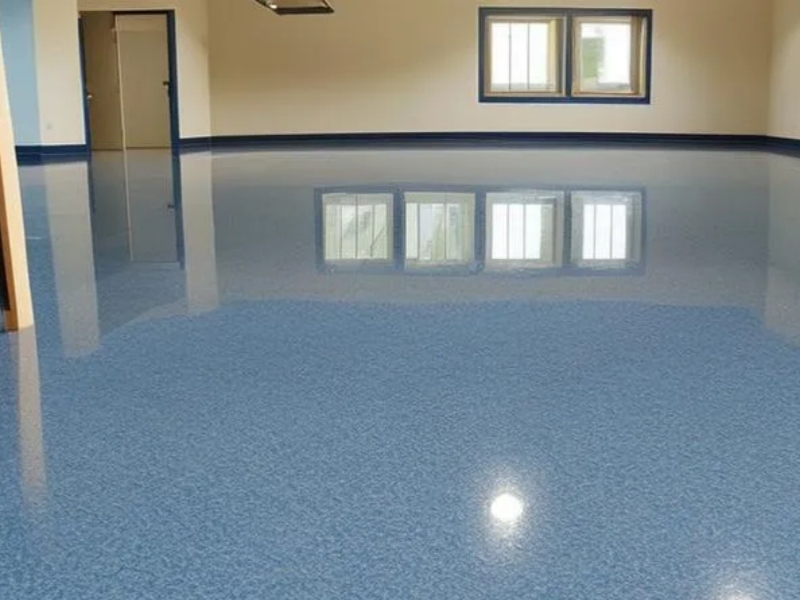
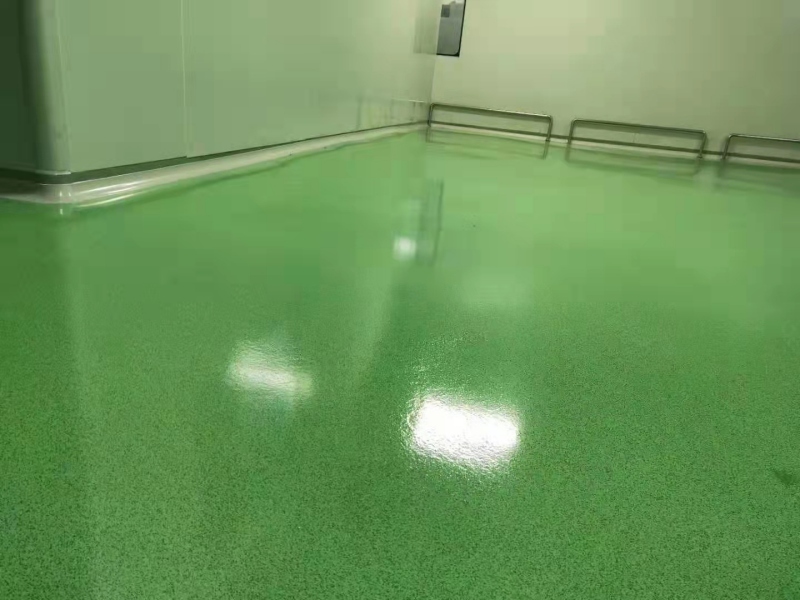
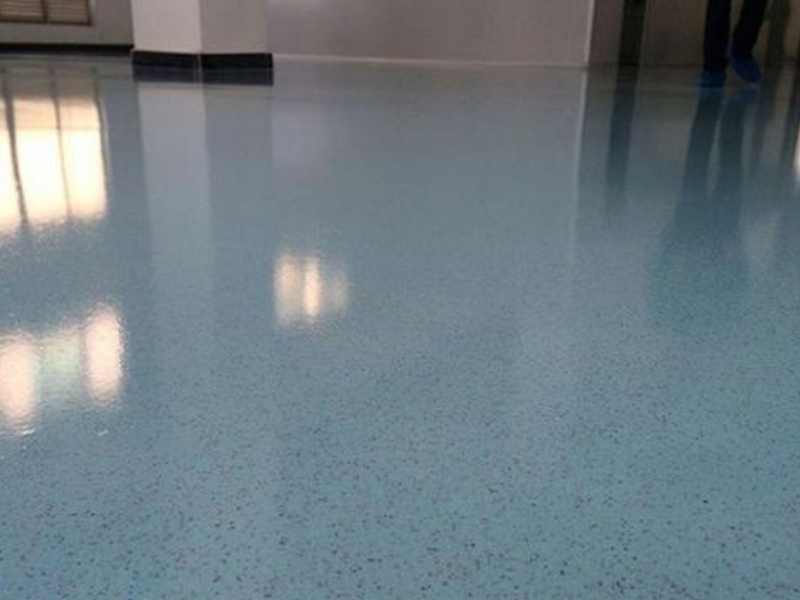
    Nowadays, marble and ceramic tiles have long been mainstream choices for interior flooring and wall decoration. However, they come with obvious drawbacks such as cold touch, slippery surface, complicated installation and high maintenance costs. As an innovative green flooring material, water-based epoxy color sand floor paint has gradually become a popular substitute for marble and tiles in residential, commercial and industrial spaces.   1. Overall Appearance & Aesthetic Effect Many people choose marble and tiles mainly for their beautiful texture and rich colors. Water-based epoxy color sand floor paint fully inherits the aesthetic advantages of traditional materials while creating a more unique visual experience. It can be customized into various tones, including classic gray, elegant beige, fresh blue and mixed color styles. The natural granular texture is delicate and layered, presenting a high-end decorative effect similar to natural marble. Unlike tiles with obvious grout lines, epoxy color sand forms an entirely seamless surface. There are no gaps on the floor, making the whole space look more spacious, integrated and modern. Whether for home decoration, exhibition halls, offices or retail stores, it can create a premium visual atmosphere. 2. Performance Comparison: Durability & Practicality Anti-slip & Safety Polished marble and glazed ceramic tiles are extremely slippery, especially when wet, which easily causes falls and hidden safety hazards, especially in corridors, bathrooms, garages and public areas. Water-based epoxy color sand floor paint has uniform fine sand particles on the surface. It maintains excellent anti-slip performance whether dry or wet, greatly improving walking safety. This feature makes it ideal for families with the elderly and kids, as well as high-traffic commercial venues. Wear Resistance & Service Life Natural marble has relatively low surface hardness. It is easy to leave scratches, abrasion marks and stains after long-term use, and it is also prone to cracking under heavy pressure. Ceramic tiles may crack or become loose at the grout after years of trampling. After complete curing, water-based epoxy color sand floor paint forms a high-hardness dense layer. It resists daily friction, rolling of light vehicles and heavy pedestrian flow. It is not easy to scratch, crack or peel off. With normal use and maintenance, its service life is comparable to or even longer than traditional marble and tiles. Waterproof, Stain-resistant & Easy Cleaning Marble has porous characteristics, so oil, coffee, juice and other stains will penetrate into the interior and leave permanent marks. Tile grout lines are easy to accumulate dust, mold and dirt, which are difficult to clean thoroughly. Water-based epoxy color sand floor paint is fully dense and non-porous. It is waterproof, oil-proof and anti-fouling. Daily dust and stains can be wiped clean just with a mop or rag. No special cleaning tools or chemicals are needed. There are no grout lines to hide dirt and mold, keeping the space hygienic all the time. 3. Environmental Protection & Comfort Natural marble may contain trace radioactive substances, which is not friendly for long-term indoor use. Traditional tile laying requires a lot of cement and auxiliary materials, and the construction process produces dust and noise. Water-based epoxy color sand floor paint uses water as the solvent, featuring low VOC, no pungent odor and formaldehyde-free. It meets international environmental standards such as CE and SGS. Construction is clean and quiet, and the space can be put into use quickly after curing. In terms of foot feel, marble and tiles are cold and hard all year round. Epoxy color sand has moderate softness and warmth, bringing a more comfortable walking experience for families and office staff. 4. Construction & Comprehensive Cost Natural marble is expensive in material cost, and the cutting, transportation and professional laying process require high labor costs and long construction cycles. The overall investment is very high. Ceramic tile construction also needs multiple processes including ground leveling, tile pasting and grout filling, which takes a lot of time and labor. Water-based epoxy color sand floor paint has simple construction procedures. It can be directly constructed on a flat base surface with fast curing speed and short project cycle. From material cost to construction cost, its total budget is much lower than marble, and also more economical than high-grade ceramic tiles. It is a cost-effective choice for large-area paving projects.  
    Read More

  • Who is best suited for water-based epoxy colored sand floor paint? Five precise matchmaking groups, no more confusion!
    Who is best suited for water-based epoxy colored sand floor paint? Five precise matchmaking groups, no more confusion!
    May 06, 2026
    "Is water-based epoxy colored sand floor paint suitable for my home?" Many people have this question during renovations. The truth is, there's no "one-size-fits-all" flooring material, only "suitable" groups. Today, we've summarized five groups most suited for water-based epoxy colored sand floor paint, and based on their core needs, we'll help you quickly determine if you fit the bill.   1. Families with elderly and children - Prioritize "environmental safety" Core needs: The floor should be non-toxic, non-slip, and resistant to bumps and bruises, preventing children from chewing on it and elderly people from slipping and injuring themselves. Reasons for Suitable: Water-based epoxy colored sand floor paint has a low VOC content (≤100g/L) and releases no formaldehyde or heavy metals after curing, making it suitable for barefoot children. The medium sand particle size (0.5-1mm) and matte finish provide an anti-slip coefficient of ≥0.6, preventing elderly people from slipping. The high surface hardness prevents children from jumping and toys from bumping into it, and subsequent cleaning requires only a damp cloth, saving time and effort.   Recommended Solution: Use light gray and off-white 0.5mm fine sand (matte finish) throughout the home. Add cartoon mosaics to the children's room. Use 1mm medium sand for enhanced anti-slip properties around the kitchen and bathroom doorways.   2. Pet-Friendly Homes - Addressing the Pain Points of "Scratching and Urine Stains" Core Requirements: Floors should be scratch-resistant, urine-resistant, and easy to clean, preventing damage from pets and urine odors. Suitable for: Water-based epoxy colored sand floor paint has a surface hardness of 2-3H, leaving no visible scratches from pet claws. The acid- and alkali-resistant topcoat resists pet urine, leaving no traces within 12 hours. The seamless design traps fur, allowing daily vacuuming without frequent mopping (to prevent slippery, damp feet).   Recommended: Use light brown and dark green 0.8mm medium sand (matte finish) throughout the home. Create a 0.5% slope (inclining toward the drain) in the pet restroom area, and partially thicken the floor in the eating area to 2mm.   3. Renovators of older homes – Seeking "saving time, effort, and no disruption to neighbors"   Core needs: Avoiding the cost of demolishing the old floor (which is costly and disruptive), ensuring no reduction in floor height after renovation, and enabling quick move-in. Suitable for: Water-based epoxy colored sand floor paint can be applied directly onto smooth, old tile or concrete floors (no brick removal required), shortening the construction period by 3-5 days and reducing neighborhood complaints. With a total thickness of only 1-2mm, it preserves the valuable height of older homes (especially suitable for homes with ceilings under 2.7 meters). It's environmentally friendly and can be moved in 7-15 days after application, allowing for ventilation and eliminating the need for long-term rental transitions.   Recommended: Sand the old tile floor before applying directly. Choose a 0.5mm fine sand that matches the original floor color, and create a patchwork pattern to cover imperfections in the old floor.   4. Basement Renovation - Overcoming the "Moisture and Mold" Challenge   Core Requirements: Moisture-resistant, moisture-resistant, and wear-resistant flooring for basement conversion into storage, garage, or media room. Reasons for selection: The water-based epoxy colored sand  floor paint  seamless sealant + moisture-proof primer blocks moisture penetration from the basement, preventing water seepage and mold growth during the rainy season. The surface is moisture-resistant and mildew-resistant, preventing mold growth even in poorly ventilated basements. Its high pressure resistance allows it to withstand the weight of storage racks and vehicles, making it suitable for a variety of basement functions.
    Read More
  • Common Myths About Water-Based Epoxy Colored Sand Floor Paint Debunked: 5 Misconceptions to Avoid!
    Common Myths About Water-Based Epoxy Colored Sand Floor Paint Debunked: 5 Misconceptions to Avoid!
    May 05, 2026
    Myth 1: Water-Based Epoxy Colored Sand is Not Abrasion-Resistant and Will Flake Off After One Year   Truth: High-quality water-based epoxy colored sand floor paint has a surface hardness of 2-3H and an abrasion resistance coefficient ≥0.5g/1000 revolutions (national standard requirement ≤0.8g/1000 revolutions). With normal household use (average daily foot traffic ≤100), it can last 8-15 years and won't flake off after one year.   Causes of flake off: Most often due to purchasing inferior product (poor compatibility between colored sand and resin) or an imbalance in the ratio of colored sand to curing agent during application (too little curing agent), rather than inherent abrasion resistance of the water-based paint.   Verification Method: Ask the merchant for an "Abrasion Resistance Test Report" when purchasing, and supervise workers during application to ensure they mix the materials according to the product instructions.   Myth 2: Water-based epoxy floor paint is less durable than solvent-based epoxy floor paint.   Truth: The core difference between the two lies in the solvent, not durability. High-quality water-based epoxy floor paint  and solvent-based epoxy floor paint offer similar abrasion and compression resistance, but water-based paint is more environmentally friendly (lower VOC content) and more flexible (elongation at break ≥20%, compared to approximately 10% for solvent-based flooring). It is also less susceptible to cracking due to temperature fluctuations, making it suitable for colder northern regions.   Myth: Some people believe that "solvent-based flooring has a stronger odor = more durable." In reality, the strong odor is due to the presence of large amounts of organic solvents and has nothing to do with durability.   Myth 3: Floors become slippery in rainy weather, making them unsafe for the elderly and children.   Truth: Water-based epoxy floor paint contains inherent colored sand particles with an anti-slip coefficient of ≥0.5 (the national standard requires ≥0.5 for public spaces and ≥0.4 for homes). When water accumulates on rainy days, the gaps between the particles allow water to escape, making it more slip-resistant than smooth ceramic tiles (with an anti-slip coefficient of approximately 0.3). Slippery Causes: Selecting fine sand (<0.3mm) with glossy topcoat (surface too smooth), or greasy floor stains (greasy floor stains reduce the anti-slip coefficient). Solution: For homes and public spaces, prefer medium sand (0.5-1mm) with matte topcoat, and clean the floor regularly.   Myth 4: The space needs to be ventilated for 3 months after construction before moving in.   Truth: High-quality water-based epoxy colored sand floor paint has a VOC content of ≤100g/L, has no noticeable pungent odor during construction, and releases ≤0.03mg/m³ (formaldehyde) after curing (7 days). Ventilation is sufficient for 7-15 days before moving in, eliminating the need for a "3-month ventilation" period.   Source of Misconception: Confusion between "water-based paint" and "solvent-based paint." Solvent-based epoxy floor paint, due to its high VOC content (≥300g/L), requires 1-3 months of ventilation, while water-based paint does not. Verification method: Test with a formaldehyde detector after construction. If the readings meet the standard, you can move in.   Myth 5: The brighter the color, the less environmentally friendly it is.   Truth: The environmental friendliness of water-based epoxy colored sand floor paint depends on the resin purity and solvent content, not the color. High-quality, bright colors (such as red and blue) use inorganic pigments (which are environmentally friendly and non-toxic), and their VOC content can also be ≤100g/L. Low-quality, light-colored paints that contain organic solvents will also fail to meet environmental standards. Avoidance method: Regardless of the color, always check the environmental test report (focusing on VOC, formaldehyde, and heavy metal content) rather than judging based solely on color.
    Read More

leave a message

leave a message
If you are interested in our products and want to know more details,please leave a message here,we will reply you as soon as we can.
submit

home

products

WhatsApp

Contact Us

Start a Conversation

Hi! Click one of our members below to chat on